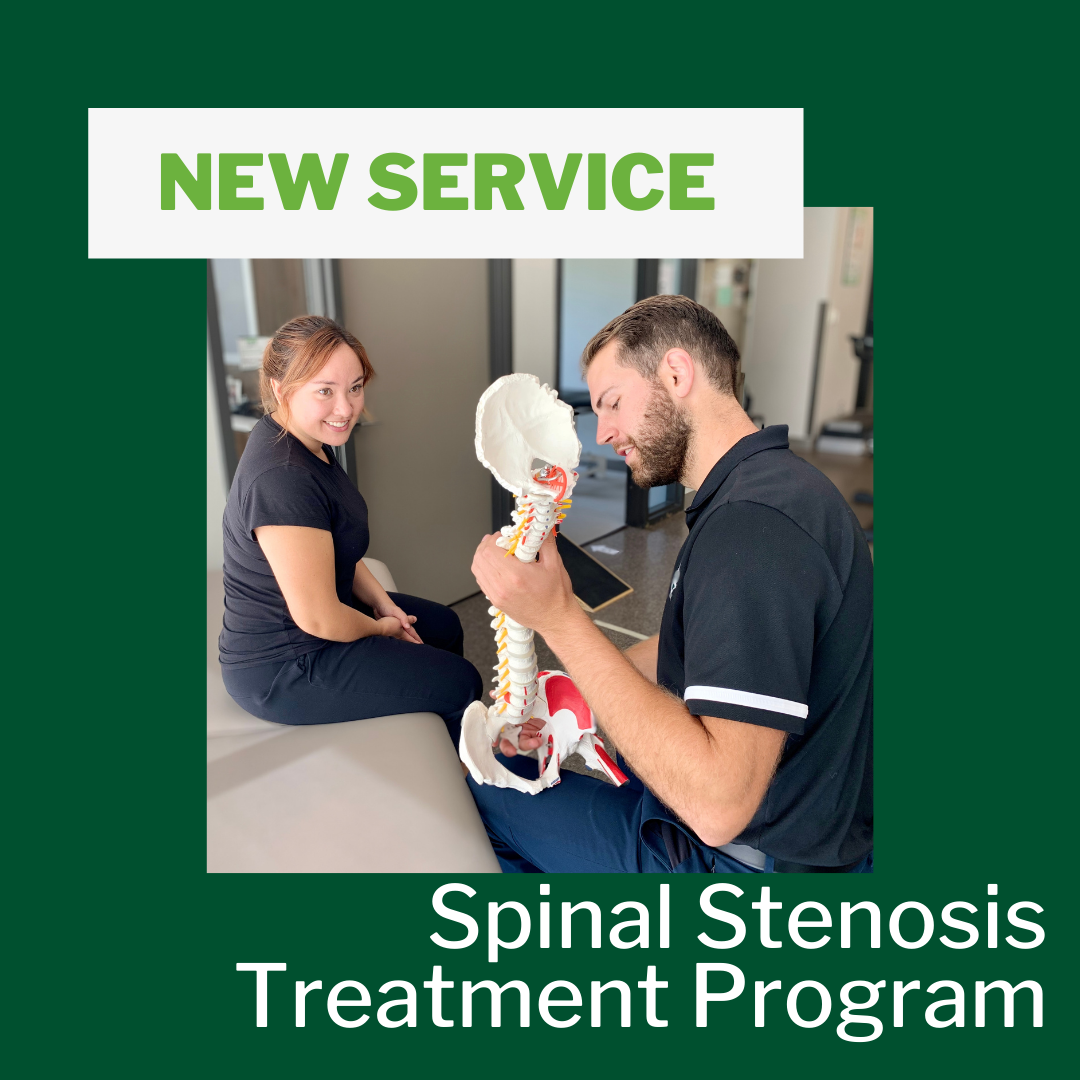
Physio, Chiro, or Both? Finding the Right Path for Your Autumn Stiffness
As the crisp autumn weather settles across Peterborough and the Kawarthas, many people notice their joints feeling a bit stiffer or more achy in the morning. Whether you’re raking leaves in the yard, getting back into indoor gym routines, or simply adjusting to cooler temperatures, seasonal shifts often bring lingering aches to the surface.
When seeking relief, one of the most common questions we hear at Trent Health in Motion is:
"Should I see a Physiotherapist or a Chiropractor?"
Because THIM is an integrated, multidisciplinary health clinic, you don't have to guess or choose in isolation. Here is a clear breakdown of how both disciplines work, how they overlap, and how to find the best approach for your body.
What We’ll Cover in This Guide:
- Understanding Seasonal Stiffness & Joint Aches
- Physio vs. Chiro: What’s the Difference?
- A Note on Joint Manipulations ( aka Adjustments)
- How to Choose the Right Practitioner for You
- The Power of Collaborative Care
Understanding Seasonal Stiffness & Joint Aches
Why do joints often feel stiffer as the weather cools down? Shifts in barometric pressure, lower outdoor temperatures, and changes in daily activity levels can influence how your nervous system perceives joint sensitivity and muscle tone.
When a joint or region of your spine feels stiff, your body often responds by tightening surrounding muscles to protect the area. The key to relief isn't staying still—it’s using targeted manual therapy and gentle, progressive movement to restore comfort and mobility.
Physio vs. Chiro: What’s the Difference?
Because both our physiotherapists and chiropractors practice evidence-based care, there is significant overlap in what they do. Both professions are primary healthcare providers trained to assess, diagnose, treat, and help you prevent musculoskeletal injuries.
You will find that both our Chiros and Physios:
- Use hands-on manual therapy (such as joint mobilizations, and targeted soft tissue release techniques).
- Prescribe customized exercise programs to build strength, endurance, and mobility.
- Educate you on load management, ergonomics, and movement strategies for long-term health.
A Note on Specialized Modalities & Adjustments
While high-velocity joint manipulations (aka adjustments) are traditionally associated with chiropractic care, many chiropractors choose to treat using non-manipulative techniques, such as gentle joint glides, soft tissue therapy, and active exercise. Conversely, physiotherapists who have completed advanced orthopaedic training can also be rostered to perform joint manipulations.
Similarly, while specialized modalities like dry needling or acupuncture can be used by both professions, they aren't part of every clinician's daily routine - though we do have therapists on staff who regularly use them if that's a modality you're looking for!
How to Choose the Right Practitioner for You
Since both professions draw from a rich toolkit of manual therapy and exercise, choosing between them often comes down to practitioner style, specific postgraduate training, and your personal comfort level.
- Consider Chiropractic Care if: You are seeking care for spinal stiffness, neck pain, tension headaches, or joint restrictions, and want a practitioner whose foundational training focuses heavily on spinal mechanics, joint function, and nervous system regulation.
- Consider Physiotherapy Care if: You are recovering from surgery, rehabilitating a complex sports injury, seeking specialized services (like pelvic health or vestibular rehab), or want a practitioner whose foundational training focuses heavily on movement retraining and physical rehabilitation.
💡 The THIM Advantage: If you aren't sure who to book with, our front desk team can match you with the practitioner whose specific skill set, techniques, and style best align with your unique needs and preferences!
The Power of Collaborative Care
The best part about Trent Health in Motion? Our team works together for you.
Because our chiropractors, physiotherapists, massage therapists, and dietitian share a clinic space, we frequently consult with one another on client care. If your physiotherapist feels you would benefit from a specialized chiropractic technique, or your chiropractor wants to co-treat to optimize your sports biomechanics, we collaborate seamlessly under one roof - ensuring you get the most comprehensive care possible.
Frequently Asked Questions
Is it safe to exercise when my joints feel stiff?
Yes! In fact, movement is medicine for stiff joints. Gentle, low-impact exercise stimulates the production of synovial fluid (your joint's natural lubricant) and increases blood circulation to surrounding tissues.
Do I need a doctor's referral to book an assessment?
No. Both physiotherapists and chiropractors are primary healthcare providers in Ontario, meaning you can book an assessment directly without a referral from a family physician. (However, do check your extended health insurance policy, as a few plans may require a referral for reimbursement).
Restore Your Movement This Season
Don't let joint stiffness slow you down or keep you off the trails. Whether you prefer chiropractic care, physiotherapy, or a combination of both, our team is here to help you move freely and comfortably.
Ready to find the right care plan for your body?
👉 Book an Assessment Online or call our front desk team at (705) 741-4758 to speak with us today!
Share This Blog