More Than Relaxation: How Registered Massage Therapy Supports Active Living
Between work demands, family schedules, and keeping up with an active lifestyle, it’s easy for daily stress to settle directly into our bodies. We often get used to carrying tight shoulders, a stiff neck, or a dull ache in our lower back - treating it as just an unavoidable part of a busy week.
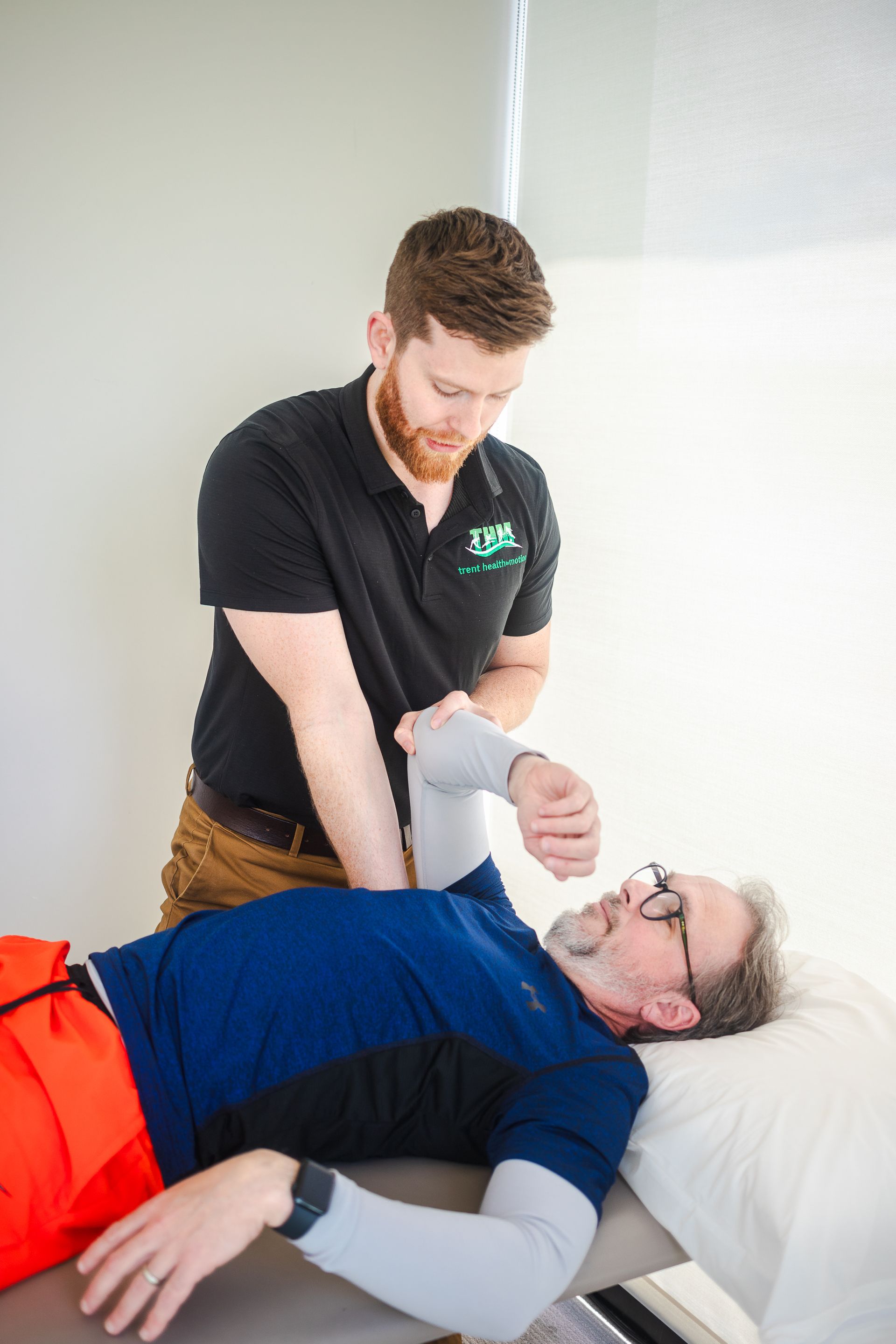
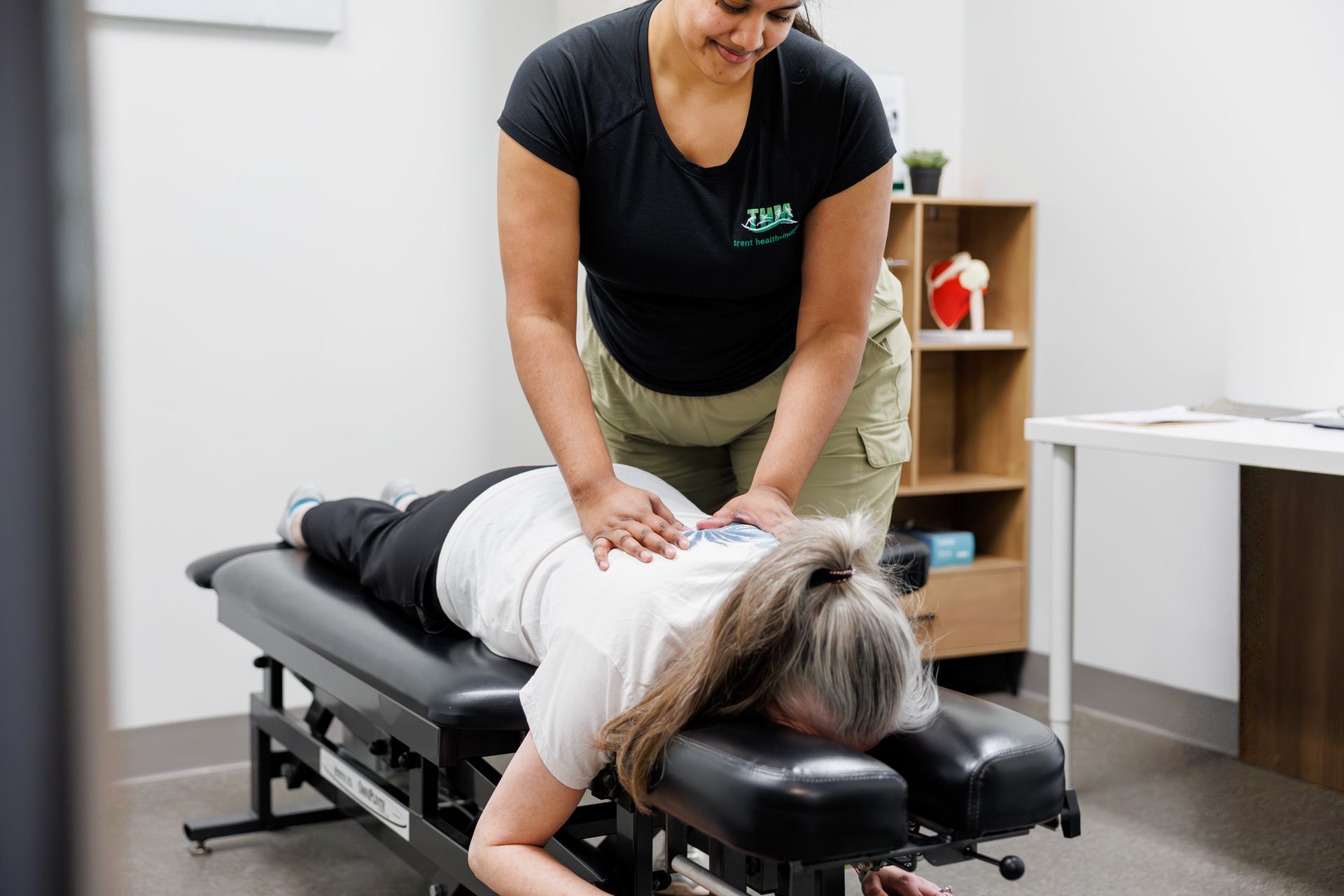
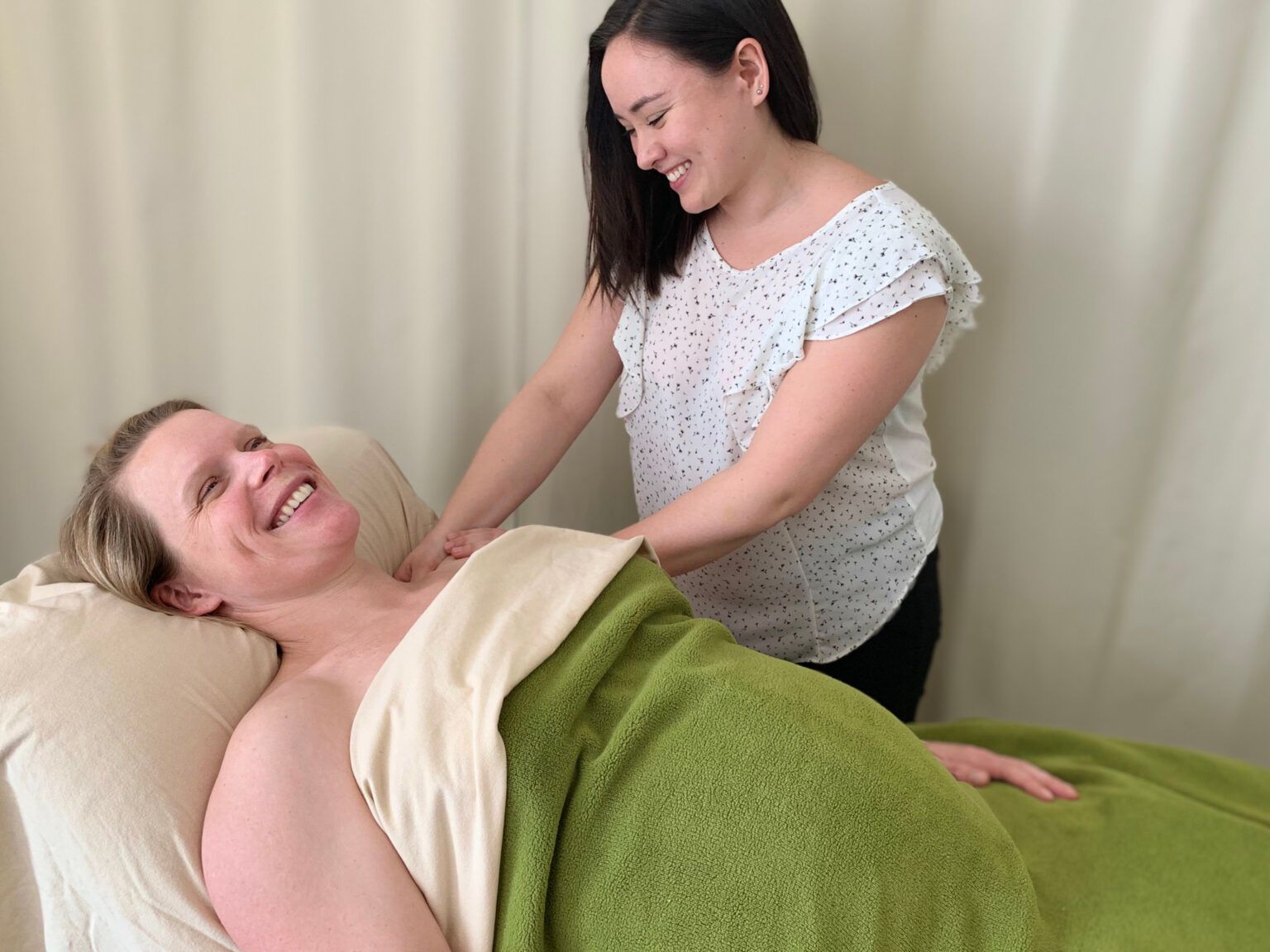
At Trent Health in Motion, our Registered Massage Therapists (RMTs) offer an evidence-based, hands-on approach to releasing muscle tension, improving mobility, and helping your nervous system reset.
Whether you’re recovering from an intense workout, managing desk-related tightness, or simply looking to move with more ease, incorporating massage therapy into your routine is a powerful way to support your physical and mental well-being.
What We’ll Cover in This Guide:
- How Massage Influences Your Muscles & Nervous System
- Easing Desk-Related & Postural Tightness
- Supporting Injury Recovery & Athletic Performance
- The Mind-Body Connection: Stress & Sleep
- Frequently Asked Questions About RMT Care
How Massage Influences Your Body
While massage feels wonderful, the physiological benefits go far deeper than surface-level comfort. Skilled soft tissue therapy works through two main pathways: mechanical movement and nervous system regulation.
- Improved Local Blood Flow: Targeted pressure encourages circulation to hardworking tissues, delivering oxygen and nutrients that support natural muscle recovery.
- Calming Pain Signals: Gentle, rhythmic pressure stimulates sensory nerves in the skin and underlying fascia, helping to quiet down "danger" signals sent to the brain and providing immediate pain relief.
- Reducing Muscle Tone: Massage acts as a reset button for hyper-reactive or "guarded" muscles, signaling them to let go of unnecessary tension.
Easing Desk-Related & Postural Tightness
Spending hours at a computer or behind a steering wheel often holds our body in fixed positions, causing certain muscle groups to feel perpetually tight or fatigued.
- Releasing Front-Body Tension: Softening tight chest (pectoral) and shoulder muscles makes it easier and more comfortable to maintain an open, upright posture.
- Relieving Neck & Tension Headaches: Releasing tension in the upper traps and suboccipital muscles (at the base of the skull) significantly reduces the frequency and intensity of tension headaches.
- Restoring Comfortable Mobility: By relaxing tight soft tissues around the neck, shoulders, and hips, your joints can move with more ease and less stiffness.
Supporting Injury Recovery & Athletic Performance
Massage therapy is an integral part of sports medicine, helping athletes and active individuals stay resilient through heavy training blocks.
- Improving Tissue Elasticity: Keeping muscles and fascia supple improves flexibility and helps prevent minor tightness from turning into an overuse injury.
- Enhancing Recovery Between Workouts: By relaxing overworked muscles and reducing post-exercise soreness (DOMS), RMT care allows you to train and move consistently.
- Desensitizing Sensitive Tissues: During injury rehabilitation, gentle soft tissue work helps your body get comfortable with movement again, bridging the gap between rest and active exercise.
The Mind-Body Connection: Stress, Sleep & Reset
Physical tightness and mental stress are deeply connected. When you’re stressed, your sympathetic nervous system ("fight-or-flight") ramps up, causing your body to guard and hold tension.
- Down-Regulating Your Nervous System: RMT treatment helps shift your body into a parasympathetic ("rest-and-digest") state, slowing your heart rate and promoting deep relaxation.
- Supporting Better Sleep: Releasing physical soreness and calming an overactive mind makes it significantly easier to fall asleep and enjoy deep, restorative rest.
- Taking Time for Self-Care: Setting aside focused time to reconnect with your body reduces mental overwhelm and leaves you feeling grounded.
Frequently Asked Questions
How often should I get a massage for optimal results?
Frequency depends on your personal goals! If you’re managing an acute injury or severe muscle tightness, a short series of weekly or bi-weekly sessions can help get symptoms under control. For general wellness, stress management, and maintenance, scheduling a session every 3 to 6 weeks is a fantastic way to keep your body feeling its best.
Does massage need to be painful to work?
Not at all! There is a common myth that massage has to hurt to be effective. While deep pressure can sometimes feel like a "good ache," it should never cause you to hold your breath or tense up. Effective RMT care always stays within your comfort threshold so your nervous system can relax.
How does RMT work alongside Physiotherapy or Chiropractic care?
Massage therapy pairs exceptionally well with physio and chiro! While your RMT works to relax tight soft tissues and soothe the nervous system, your physiotherapist or chiropractor can focus on joint mobilizations, spinal alignment, and progressive strength exercises - giving you a complete, well-rounded recovery plan under one roof.
Prioritize Your Well-Being & Movement
You don't have to wait for an injury or severe pain to give your body the care it needs. Incorporating Registered Massage Therapy into your regular routine is a proactive, enjoyable way to manage daily stress and keep moving comfortably.
Ready to book your massage session?
👉
Book Online with an RMT or give our friendly front desk team a call at
(705) 741-4758 to schedule your next appointment!
Share This Blog